The Theater That Couldn't Burn
On December 30, 1903, Chicago's Iroquois Theater was the crown jewel of American entertainment venues. The management had plastered advertisements across the city boasting that their new playhouse was "absolutely fireproof." They weren't lying—at least not intentionally. The building featured steel construction, fireproof curtains, and state-of-the-art safety equipment. What could possibly go wrong?
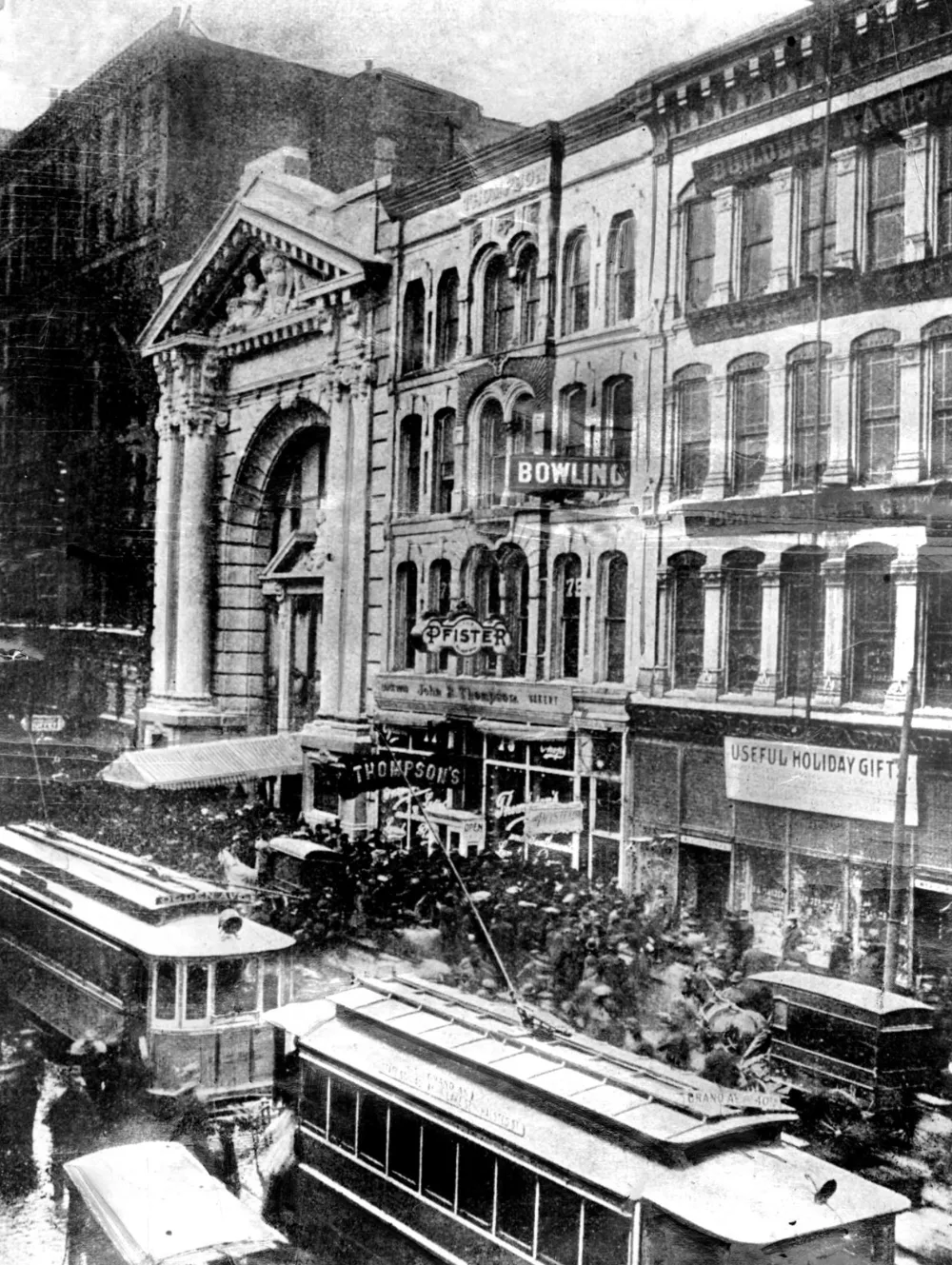 Photo: Iroquois Theater, via i.pinimg.com
Everything, as it turned out.
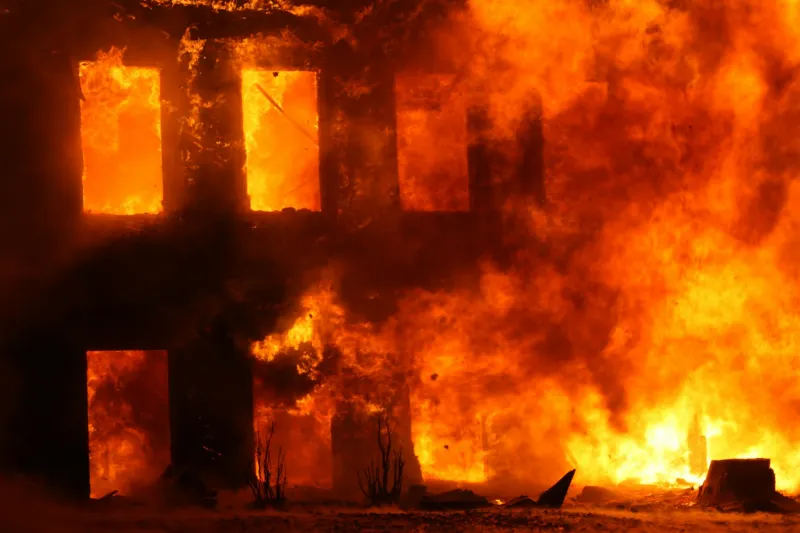
During a matinee performance of "Mr. Blue Beard," a faulty electrical wire sparked near the stage. Within minutes, the "fireproof" theater became a death trap that claimed 602 lives—making it the deadliest single-building fire in American history. The irony was so thick you could cut it with a knife: a building marketed as the safest place in Chicago had just become its most dangerous.
Enter the Most Unlikely Hero
Among the investigators sent to examine the smoldering ruins was a mild-mannered insurance adjuster named William Clendenin. He wasn't a fire expert, an architect, or a safety engineer. He was just a guy with a clipboard whose job was to figure out how much money his company owed.
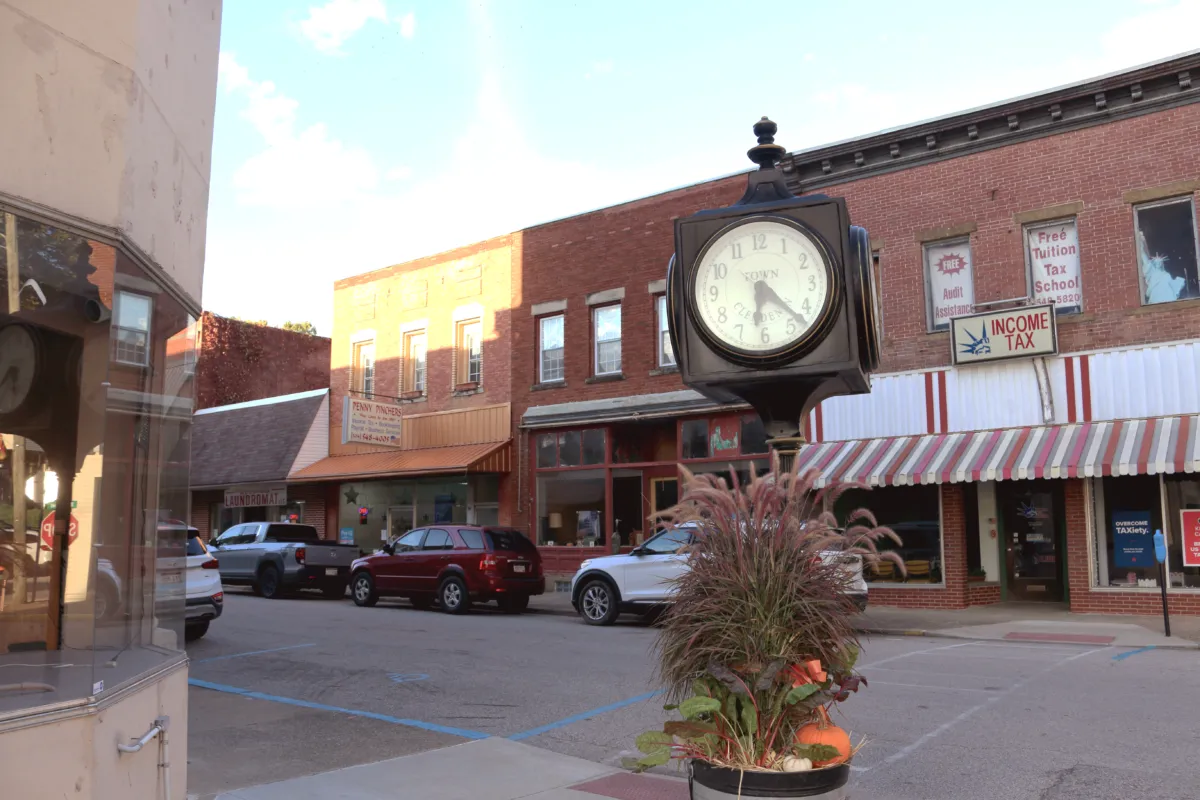 Photo: William Clendenin, via clendeninwv.gov
But Clendenin had something more valuable than expertise: he had eyes. And what he saw in those charred remains horrified him.
The "fireproof" curtain had been painted with highly flammable materials. Exit doors opened inward, creating deadly bottlenecks as panicked crowds pressed against them. Emergency exits were locked or hidden behind heavy drapes. The ventilation system had actually fanned the flames instead of containing them.
From Bean Counter to Life Saver
Most insurance adjusters would have filed their reports and moved on to the next claim. Clendenin couldn't let it go. He began studying fires with the obsession of a detective hunting a serial killer. He visited burn sites across the country, interviewed survivors, and analyzed architectural plans until his eyes went blurry.
What started as a routine insurance investigation had become a personal crusade.
Clendenin discovered that the Iroquois disaster wasn't an anomaly—it was inevitable. American buildings were death traps waiting to happen, designed by architects who prioritized aesthetics over safety and regulated by codes that hadn't been updated since the Civil War.
The Bureaucrat Who Changed Everything
In 1905, Clendenin published a report that would reshape American architecture forever. His "Fire Prevention and Fire Protection as Applied to Building Construction" didn't just catalog the failures at the Iroquois—it proposed specific, practical solutions.
Outward-opening doors. Clearly marked exits. Fire-resistant materials. Proper ventilation systems. Occupancy limits. Emergency lighting. These concepts seem obvious today, but in 1905, they were revolutionary.
More importantly, Clendenin didn't just write recommendations—he wrote actual code language that cities could adopt wholesale. He had essentially created a copy-and-paste fire safety system for municipal governments.
The Ripple Effect That Saved Millions
Within a decade, cities across America had adopted Clendenin's codes almost verbatim. His influence spread beyond theaters to office buildings, schools, hospitals, and homes. The National Board of Fire Underwriters—the insurance industry's trade group—made him their chief fire prevention expert.
By 1920, building-related fire deaths had dropped by more than 60% in cities that adopted Clendenin's standards. The man who started as an insurance adjuster had accidentally become America's fire safety czar.
The Legacy of Disaster
Today, every time you see an exit sign, push open an outward-swinging door, or notice a sprinkler head, you're benefiting from Clendenin's obsession with the Iroquois Theater fire. His codes evolved into the modern International Building Code, which governs construction across America.
The most remarkable part? Clendenin never set out to save lives. He just wanted to understand why 602 people died in a "fireproof" building. His methodical investigation of one insurance claim accidentally created the safety standards that have prevented millions of similar tragedies.
Sometimes the most profound changes come from the most unlikely sources—like an insurance adjuster with a clipboard and an unshakeable sense that things could be better. In Clendenin's case, his refusal to accept "fireproof" at face value ended up making America actually fireproof.