The Four-Legged Witness Who Changed American Courtrooms Forever
The Lawyer Who Thought Outside the Species
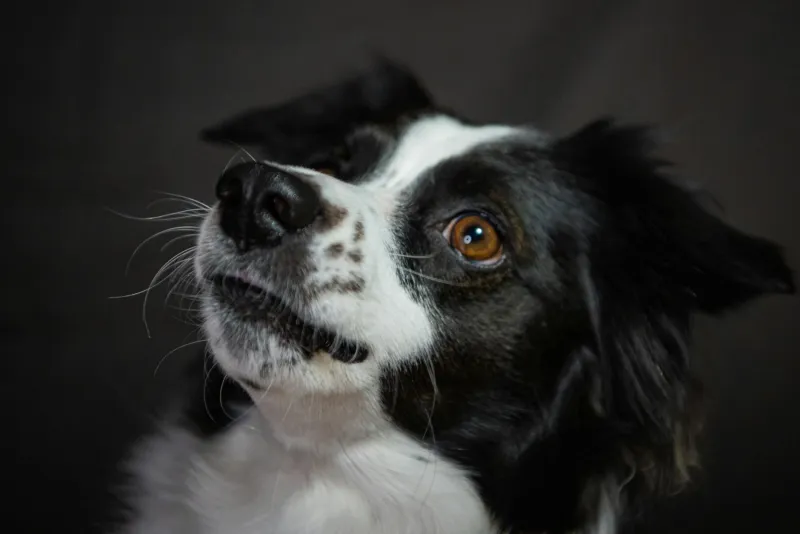
Defense attorney William "Wild Bill" Morrison had a reputation for unconventional legal strategies, but even his closest colleagues thought he'd finally lost his mind when he filed a motion requesting that his border collie testify as a witness in Hendricks v. Caldwell, a 1934 Nebraska property dispute.
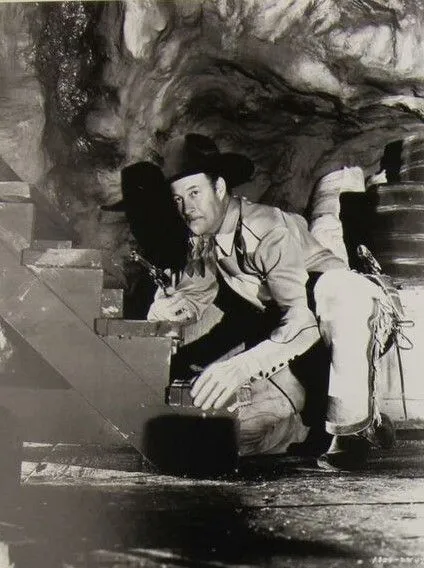 Photo: William "Wild Bill" Morrison, via i.pinimg.com
The case seemed straightforward enough: two neighboring ranchers arguing over whether a damaged fence constituted trespassing or legitimate boundary maintenance. But Morrison saw an opportunity to make legal history, and his four-legged law partner Rex was about to become the most famous witness in American jurisprudence.
When Fences Become Federal Cases
The original dispute began when cattle rancher Pete Hendricks accused his neighbor, sheep farmer Donald Caldwell, of deliberately damaging a shared fence line to allow sheep access to Hendricks' grazing land. Caldwell claimed the fence was damaged by weather and that his sheep had simply wandered through naturally occurring gaps.
Both men hired lawyers. Both men gathered witnesses. Both men prepared for a routine civil trial that would likely be settled with a modest financial judgment and a court order to repair the fence.
Nobody expected the case to revolutionize how American courts think about evidence.
Morrison represented Caldwell, and he faced a significant problem: Hendricks had three human witnesses who claimed they'd seen Caldwell's sheep deliberately pushed through the fence. Caldwell had no human witnesses, but he did have Rex—a border collie trained to herd sheep through specific gaps in fencing.
Morrison's strategy was brilliant in its simplicity: if the court could see exactly how Rex herded sheep, they'd understand that the dogs, not Caldwell, were responsible for the fence damage.
The Motion That Made History
Morrison's formal request to Judge Harold Wickham was unprecedented in American law. He argued that Rex should be permitted to demonstrate his sheep-herding behavior in the courtroom as direct evidence of how the fence damage occurred.
The motion cited established precedent for demonstrative evidence—physical objects, models, and demonstrations used to clarify testimony. Morrison argued that Rex's behavior constituted demonstrative evidence, not witness testimony, since the dog would be showing rather than telling.
Judge Wickham was intrigued despite himself. He'd been on the bench for 15 years and had never encountered anything remotely similar. After consulting with court clerks, legal scholars, and reportedly his own wife (who raised sheep), Wickham made a decision that would echo through American courts for decades.
He allowed Rex to testify.
The Day a Dog Took the Stand
On October 12, 1934, the Platte County Courthouse hosted the most unusual demonstration in Nebraska legal history. Morrison brought Rex, three sheep, and portable fencing into the courtroom to recreate the alleged property damage.
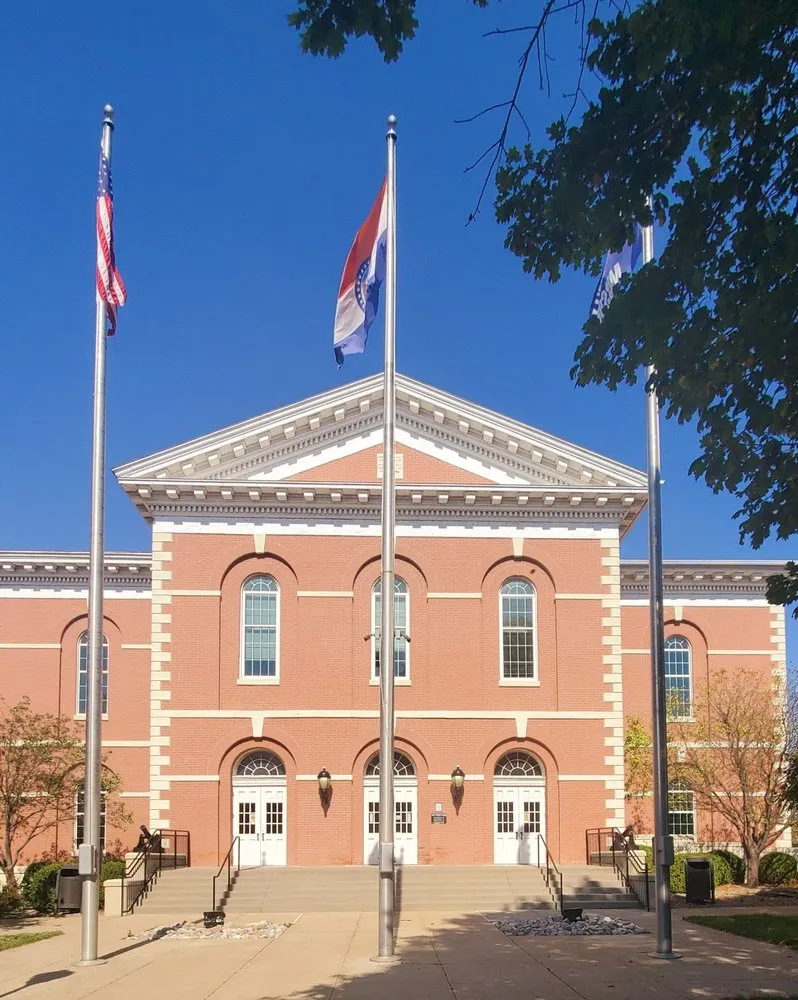 Photo: Platte County Courthouse, via s3-media0.fl.yelpcdn.com
What happened next surprised everyone, including Morrison.
Rex didn't just herd the sheep through gaps in the fence—he actively created gaps by pushing fence posts with his nose and digging under fence lines with his paws. The behavior was so systematic and deliberate that even the plaintiff's attorney admitted it looked like trained fence destruction rather than natural animal behavior.
But Rex wasn't finished. When Morrison commanded him to stop damaging the fence, Rex immediately shifted to guiding sheep through existing gaps without causing additional damage. The demonstration proved that Caldwell's dog could either damage fences or preserve them, depending on the commands he received.
The jury deliberated for less than an hour before ruling in favor of Caldwell. They concluded that Rex's demonstration proved the fence damage was caused by untrained dog behavior, not deliberate human action.
Morrison had won his case with the help of the first non-human witness in American legal history.
The Copycat Cases That Followed
News of Rex's successful testimony spread quickly through Midwest legal circles, and within months, attorneys across the region were filing motions for animal demonstrations. Most were rejected, but a few judges proved willing to experiment with Morrison's precedent.
In 1935, a Minnesota attorney convinced a judge to allow a trained horse to demonstrate gait patterns in a personal injury case involving a riding accident. The horse's testimony helped establish that the rider, not the horse, was responsible for the fall.
A 1936 Iowa case featured a hunting dog demonstrating scent tracking to prove that a defendant couldn't have avoided encountering a trespasser on his property. The dog's nose work convinced the jury that the property owner acted in reasonable self-defense.
Perhaps the most creative animal testimony occurred in a 1937 Illinois case where a trained parrot was allowed to repeat phrases it had learned by overhearing the defendant's conversations. The parrot's testimony was ruled inadmissible hearsay, but not before establishing that courts would at least consider evidence from talking animals.
The Legal Scholars Who Tried to Make Sense of It All
By 1938, law schools across the country were debating what became known as "the Rex precedent." Legal scholars struggled to define the boundaries of animal testimony and demonstrative evidence.
Columbia Law School professor Margaret Chen published the definitive analysis in 1939, arguing that animal demonstrations should be permitted only when the animal's behavior was directly relevant to disputed facts and when the demonstration could be conducted safely in a courtroom setting.
Chen's framework became the unofficial standard for animal testimony, though few judges proved willing to test its boundaries. The legal community seemed content to treat Rex as a fascinating anomaly rather than the beginning of a new evidentiary tradition.
The Quiet End of an Era
The last recorded case of successful animal testimony occurred in 1943, when a Kansas judge allowed a bloodhound to demonstrate scent tracking in a criminal case. After that, American courts quietly stopped entertaining motions for animal witnesses.
Legal historians suggest that World War II shifted judicial attitudes toward more serious, traditional legal procedures. Courts dealing with wartime cases had little patience for experimental evidence, regardless of its effectiveness.
By 1950, the Rex precedent had effectively disappeared from American jurisprudence, remembered only in law school case studies and bar association anecdotes.
Rex's Lasting Legacy
Wild Bill Morrison continued practicing law until his death in 1967, but he never again used animal testimony in court. He reportedly told colleagues that Rex's demonstration was "the most effective evidence I ever presented and the most ridiculous thing I ever did in a courtroom."
Rex lived to age 14 and spent his retirement years as something of a local celebrity. Visitors to Morrison's law office often asked to meet "the dog who testified," and Rex reportedly enjoyed the attention.
More importantly, Rex's testimony established legal precedent that demonstrative evidence could include living demonstrations, not just inanimate objects. Modern courtroom demonstrations—from DNA analysis to computer simulations—trace their legal foundation back to a border collie who proved that dogs, not humans, were responsible for damaged fencing.
The Case That Courts Pretend Never Happened
Today, Hendricks v. Caldwell remains valid legal precedent in Nebraska, though no attorney has been brave enough to cite it in over 80 years. Law schools still teach the case as an example of creative legal thinking, but they usually frame it as historical curiosity rather than actionable precedent.
Judge Wickham's decision to allow Rex's testimony was legally sound, practically effective, and utterly unrepeatable. American courts proved willing to listen to a dog exactly once, and that was apparently enough.
Rex demonstrated that the legal system can accommodate almost any type of evidence, as long as that evidence helps establish truth. He also demonstrated that some legal precedents are too embarrassing to follow, even when they work perfectly.
In the end, Rex may have been the most effective witness in American legal history—and the last of his kind. Sometimes the best legal strategies are the ones nobody wants to repeat.