When Too Much Whiskey Gave Texas an Extra County: The Boundary Blunder That Became Law
The Morning After That Changed Maps Forever
Some hangovers last a few hours. Others last forever and get written into law. In 1847, federal surveyor Jeremiah Blackwood was nursing what his journal described as "a considerable indisposition from yesterday's festivities" when he began marking the boundary between two Texas counties. What should have been a routine day of measurements became one of the most expensive headaches in American legal history.
 Photo: Jeremiah Blackwood, via d1vzi28wh99zvq.cloudfront.net
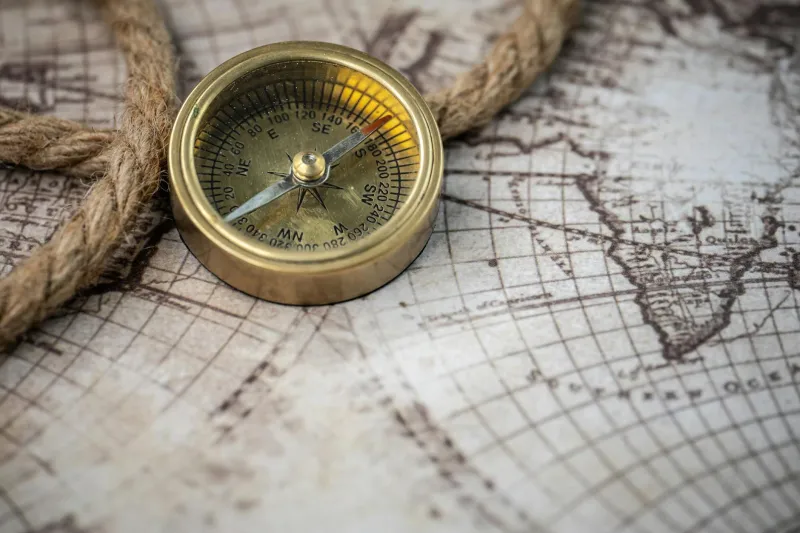
Blackwood had been celebrating the completion of a particularly challenging section of borderland when he made his fateful error. Working with a throbbing head and shaky hands, he misread his compass by nearly three degrees—a seemingly minor mistake that would ripple across 200 square miles of Texas landscape.
When Numbers Don't Add Up
The error went unnoticed for thirty-seven years. Settlers moved in, built homes, established farms, and created entire communities on land that technically belonged to the wrong county. Property deeds were filed, taxes were collected, and local governments operated completely unaware that their boundaries existed only in the imagination of a hungover surveyor.
The mistake finally surfaced in 1884 when railroad companies began conducting their own surveys for a proposed line through the region. Their measurements didn't match the official county maps, triggering a comprehensive review that revealed Blackwood's three-decade-old miscalculation.
"The discrepancy is both significant and problematic," wrote Texas Land Commissioner William McGaughey in his official report. "We appear to have accidentally created a county that is considerably larger than intended, populated by citizens who have been paying taxes to the correct government for the wrong reasons."
The Cost of Fixing a Mistake
By 1884, the "phantom territory" housed over 4,000 residents, three incorporated towns, dozens of businesses, and a thriving agricultural community. Correcting Blackwood's error would have required relocating the county line, invalidating thousands of property deeds, and potentially displacing entire communities.
The legal implications were staggering. Every marriage, birth certificate, business license, and court proceeding conducted in the disputed territory would need review. The state would face massive compensation claims from property owners whose land values would shift based on which county they actually belonged to.
Texas Attorney General James Hogg calculated that fixing the surveyor's mistake would cost the state nearly $2 million—equivalent to roughly $60 million today. "It appears more economical to accept Mr. Blackwood's interpretation of geography than to correct it," he concluded.
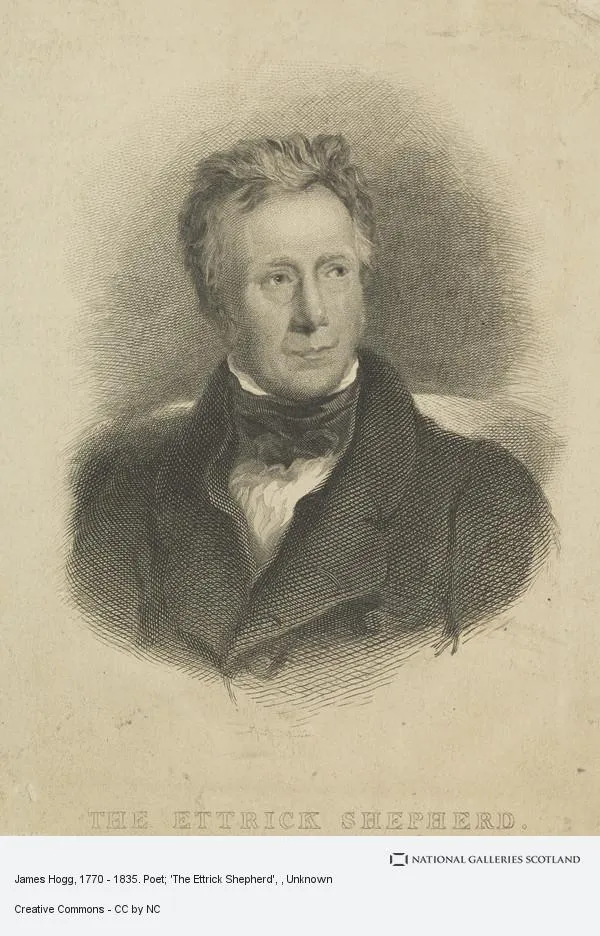 Photo: James Hogg, via www.nationalgalleries.org
Making Peace with Permanent Error
In 1885, the Texas Legislature passed what became known as the "Blackwood Resolution," officially recognizing the surveyor's mistaken boundary as legally binding. The law included an unusual preamble acknowledging that "human error, once established and inhabited, may acquire the force of intentional governance."
The resolution quietly established a precedent that would influence boundary disputes across the American West. Rather than disrupting established communities to correct surveying mistakes, states began accepting "inhabited errors" as legitimate boundaries.
Blackwood himself never learned that his hangover had been enshrined in law. He died in 1863, two decades before anyone discovered his mistake, believing he had completed one of his most accurate surveys.
The Legacy of Liquid Measurement
The extra territory transformed the receiving county from a modest agricultural region into one of Texas's more prosperous areas. The additional land included valuable timber resources and, later, several productive oil wells that generated millions in revenue.
Local historians estimate that Blackwood's miscalculation ultimately added over $100 million to the county's economic value. What began as a surveying error became an accidental economic development program.
Today, a small historical marker near the county courthouse commemorates "The Blackwood Line," though it diplomatically omits any mention of alcohol. The inscription simply notes that "human judgment, however impaired, sometimes improves upon original intentions."
When Wrong Becomes Right
The Blackwood incident illustrates how some of America's most permanent features resulted from temporary human failings. Across the country, surveying errors, clerical mistakes, and simple miscalculations have been quietly accepted as legitimate boundaries rather than corrected at enormous expense.
In Texas, they still call it "Blackwood County"—the extra territory that exists because sometimes the most lasting decisions are made by people who probably shouldn't have been making decisions at all. It's a reminder that American geography, like American democracy, occasionally benefits from happy accidents and the wisdom to leave well enough alone.