The Mix-Up at the Mortuary That Untangled 40 Years of Family Silence
In the long history of things going wrong at small-town government offices, the events that unfolded in Hardin County, Ohio in the spring of 1986 occupy a genuinely special place. What began as a mortuary clerical error so mundane it barely seemed worth documenting ended up cracking open an adoption record sealed during the Great Depression, surfacing a living family that had been divided for four decades, and briefly making a county clerk named Doris Haverfield the most important person in two strangers' lives.
 Photo: Doris Haverfield, via images.findagrave.com
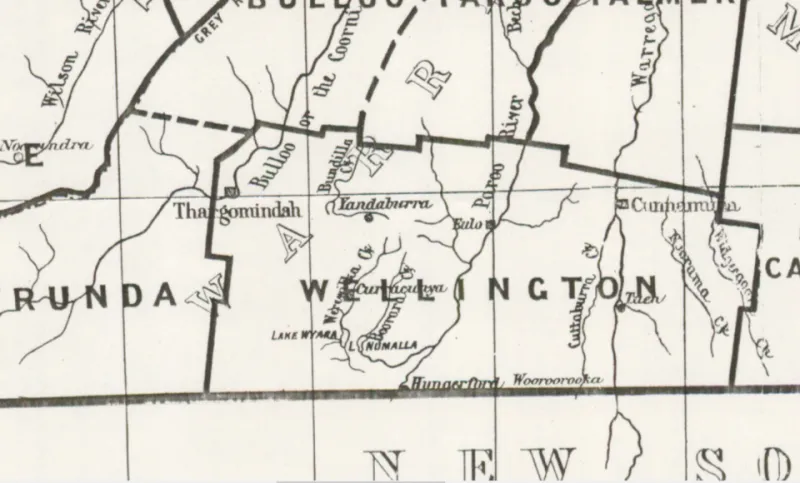
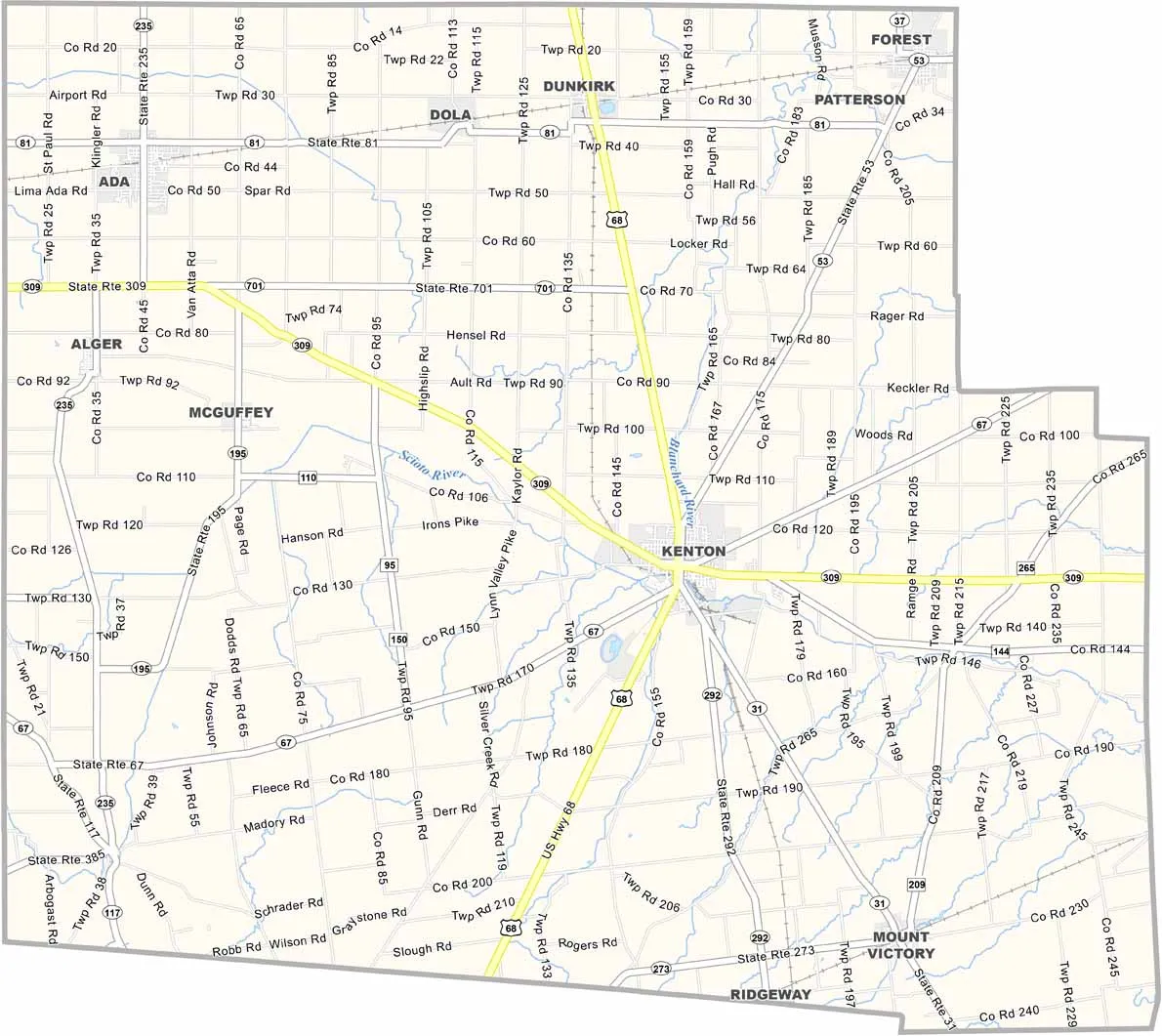 Photo: Hardin County, Ohio, via uscountymaps.com
Nobody planned any of this. That's rather the point.
Two Men, One Terrible Coincidence
The sequence started simply enough. In March of 1986, two men died within four days of each other in Hardin County. Their names were Robert Eugene Marsh and Robert Earl Marsh. They were not related. They did not know each other. They happened to share a surname, a first name, and the profound bad luck of dying in the same county during the same week.
The funeral home — a small, family-run operation that had served the county for decades — processed both men's remains and, through a combination of paperwork fatigue and a filing system that the county would later diplomatically describe as "informal," mixed up the documentation. The wrong death certificate was filed with the wrong set of remains. By the time anyone noticed, both services had already taken place.
This was, by any reasonable standard, a serious problem. But it was a solvable one. Except that solving it required pulling records. And pulling records, as Doris Haverfield would discover, had a way of pulling on other things.
The Clerk Who Pulled the Wrong Thread
Haverfield, who had worked in the Hardin County Clerk's office for eleven years, was assigned to untangle the documentation. The process required her to verify the identities of both deceased men by cross-referencing birth records, which in turn required her to access county vital statistics files that hadn't been meaningfully reviewed in years.
Robert Earl Marsh's birth record was straightforward. Robert Eugene Marsh's was not.
The record listed him as having been born in 1921 and adopted through a private county arrangement in 1933 — one of thousands of informal Depression-era adoptions that were handled with minimal paperwork and even less oversight. What made this particular record unusual was a notation in the margin, handwritten in faded pencil, indicating that the adoption had involved a sibling separation: two brothers, placed with different families, with a case note suggesting the arrangement was intended to be temporary.
The temporary arrangement had lasted 53 years. Robert Eugene Marsh had died without ever knowing he had a brother.
What the Files Said
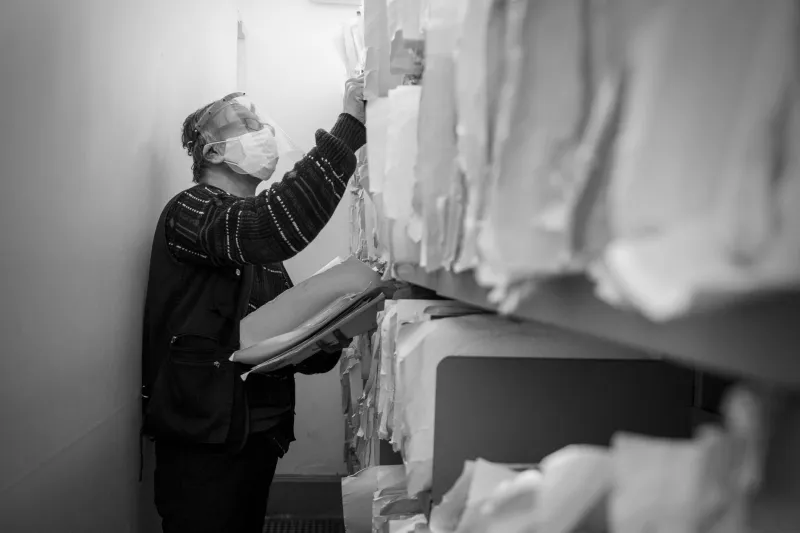
Haverfield, to her considerable credit, understood immediately that she was looking at something that went well beyond a death certificate correction. She contacted the county's social services office, which still maintained Depression-era case files in a storage room that staff referred to, without particular affection, as "the cave."
The case files confirmed it. Two brothers — Robert and Thomas — had been separated in 1933 when their widowed mother could no longer care for them. Robert had been placed with the Marsh family in Hardin County. Thomas had been placed with a family in an adjacent county under a different surname. The case was marked closed in 1934. Nobody had looked at it since.
The question now was whether Thomas, or any of his descendants, was still alive.
A Phone Call Nobody Expected
It took Haverfield and a social services caseworker named Linda Pruitt three weeks to trace Thomas's line. He had died in 1979, but he had children — two sons and a daughter, all living within 90 miles of Hardin County. None of them had any knowledge of Robert's existence. Their father had known he'd been separated from a sibling as a child but had no information about what had become of him, and by the time his own children were old enough to ask questions, he'd stopped talking about it.
 Photo: Linda Pruitt, via images.crunchbase.com
Robert Eugene Marsh, meanwhile, had two daughters. They had known their father was adopted but had never been given any information about his biological family.
The phone call that connected these two groups of cousins — people who had lived their entire adult lives within an hour's drive of each other — was made from the Hardin County Clerk's office on a Tuesday afternoon in April 1986. Linda Pruitt made the call. She later told a local reporter that she had no idea how to begin it, so she started with the most honest sentence she could think of: "I'm calling because a funeral home made a mistake, and I think you need to hear what we found."
The Accidental Instrument
The families met for the first time that June. By several accounts, it was an overwhelming occasion — the kind of meeting that doesn't have a social script because nobody has ever needed one before. Robert's daughters and Thomas's children spent hours comparing photographs, trading stories about fathers who had grown up in the same county without ever crossing paths, marveling at the physical resemblances nobody had been around to notice.
Doris Haverfield attended. She brought a covered dish.
The original clerical error — the mix-up that had set all of this in motion — was formally corrected by the county in May of 1986. Both men's records were properly filed. The funeral home updated its procedures. The whole administrative incident was, on paper, resolved.
But the thing that the mistake had accidentally uncovered couldn't be unfiled. Two branches of a family that had been severed by poverty and Depression-era bureaucracy were suddenly, improbably, back in contact. Their children grew up knowing each other. Some of them still live near Hardin County today.
All because someone grabbed the wrong folder on a tired afternoon in March.
Reality, it turns out, has a very strange sense of what constitutes a happy ending.