The Millionaire in the Charity Ward: How One Humiliating Night Quietly Rebuilt American Medicine
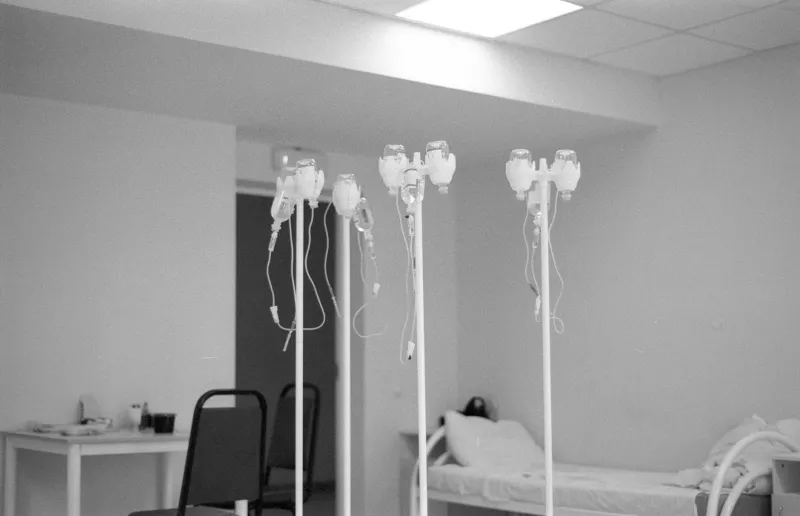
Imagine checking into a hospital and finding yourself on a straw mattress, sharing a ward with thirty strangers, attended by staff who haven't washed their hands since breakfast. Now imagine you're one of the wealthiest men in America — and nobody knows it.
That's roughly what happened to a prominent industrial magnate in the mid-1880s, when a carriage accident near a mid-sized northeastern city sent him through the doors of a public charity hospital under a name that wasn't his own. The admitting clerk misheard him through the chaos of the intake room, wrote down something entirely different, and before the man could correct the record, he was already being wheeled into a general ward.
What he found there would haunt him for the rest of his life.
A World Away from the Private Suites
By the 1880s, American medicine was sitting in an awkward middle space. Germ theory had arrived, Louis Pasteur and Joseph Lister had already changed the conversation in Europe, and a handful of elite private hospitals in cities like Boston and New York were beginning to adopt antiseptic practices. But the public wards — the ones that served working-class patients, immigrants, and anyone who couldn't afford a private physician — were a different world entirely.
 Photo: Joseph Lister, via how-many-bags-fit.com
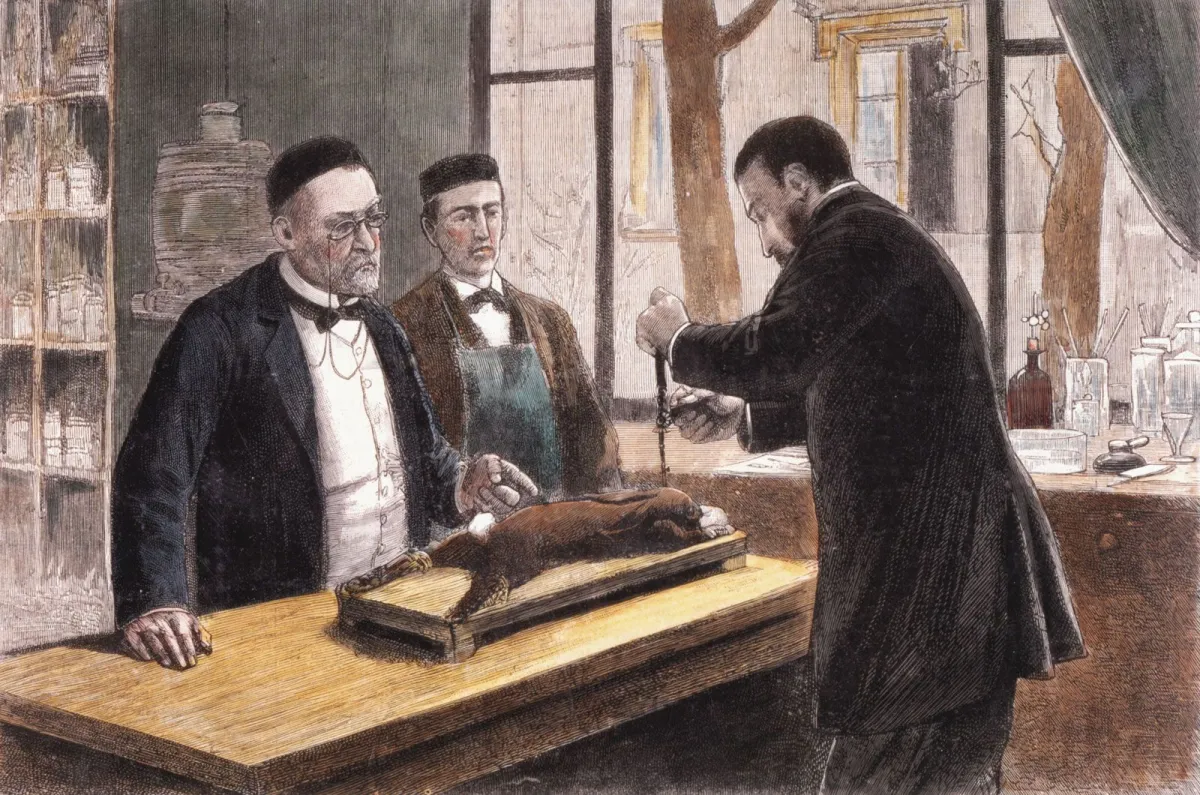 Photo: Louis Pasteur, via cdn.britannica.com
Overcrowding was standard. Ventilation was an afterthought. Surgical tools were rinsed between procedures rather than sterilized. Nurses in many institutions had no formal training at all. Mortality rates in public wards were, by modern standards, almost incomprehensible.
Our industrialist spent two nights in one of these wards before a business associate happened to pass through the city, recognized him despite the confusion, and quietly arranged a transfer. But the damage — or rather, the education — was already done.
He had seen the inside of the system that most wealthy Americans never thought about, and he couldn't unsee it.
The Anonymous Benefactor
What makes this story genuinely strange isn't just that a rich man had a bad hospital stay. It's what he did next — and how carefully he made sure no one would know he'd done it.
Over the following two years, working entirely through intermediaries and a small network of trusted lawyers, the man began funneling money into a series of hospital reform initiatives. He funded the first standardized nurse training program at a public institution in his home state. He quietly underwrote a commission that produced a detailed report on ward sanitation practices — a report that was later cited as the blueprint for several state-level public health reforms. He paid for the translation and distribution of Lister's antiseptic guidelines to more than sixty public hospitals across the Northeast and Midwest.
None of it carried his name. The grants were routed through shell foundations, charitable trusts, and in several cases simply delivered as anonymous cash donations with detailed instructions attached.
His reasoning, according to a private letter discovered decades after his death, was almost painfully practical: he believed that if his name was attached to the reforms, political opponents and rival industrialists would work to discredit them. Anonymous money, he figured, was harder to attack than money with a famous face on it.
The Reforms That Nobody Could Trace
Here's where the story gets genuinely remarkable. Because the funding was so carefully obscured, the reforms it produced took on a kind of institutional life of their own. Hospital administrators who implemented the new sanitation protocols didn't know where the original push had come from. State legislators who passed public health codes in the 1890s were drawing on reports they believed had been funded by academic foundations.
The chain of influence was real — it just had no visible origin point.
Historians who have pieced this together in the decades since describe it as one of the most effective acts of anonymous policy-making in American history. The reforms this man quietly bankrolled contributed directly to a measurable drop in post-surgical infection rates at public hospitals across multiple states by the turn of the century. Some estimates suggest the changes he set in motion saved hundreds of thousands of lives over the following generation.
And for nearly forty years after his death, no official record connected his name to any of it.
How the Truth Finally Surfaced
The connection only came to light when a historian researching the history of American nursing education stumbled across a cache of letters in a private family archive in the 1940s. The letters, written in a careful hand and referencing specific dollar amounts and specific institutions, made the picture unmistakable.
Even then, the revelation landed quietly. There was no major press campaign, no retroactive naming of buildings. The man had been dead long enough that his family had little interest in reopening the story, and the medical establishment — by then fully committed to the reforms he'd helped create — had no particular reason to go hunting for a founding donor.
The whole episode is a strange kind of inversion of the usual story about American philanthropy. Normally we build wings of hospitals and name them after the people who paid for them. In this case, the man who may have done more to modernize American public health than almost any politician or physician of his era spent enormous effort making sure his contribution would never be recognized.
The Straw Mattress That Changed Everything
It's almost too neat to be true — the idea that one misheard name at a hospital intake desk set off a chain of events that quietly transformed American medicine. But the documentary record, fragmentary as it is, supports the basic shape of the story.
A wealthy man ended up somewhere he was never supposed to be. He saw something that most people in his position never saw. And instead of simply donating a building with his name on it and calling it charity, he spent years methodically trying to fix the thing that had horrified him — while making absolutely sure nobody would ever thank him for it.
Strange? Absolutely. True? Every documented piece of it.
Sometimes the most consequential reforms in American history didn't come from legislation or landmark court decisions. Sometimes they came from a carriage accident, a misheard name, and two very bad nights on a straw mattress.